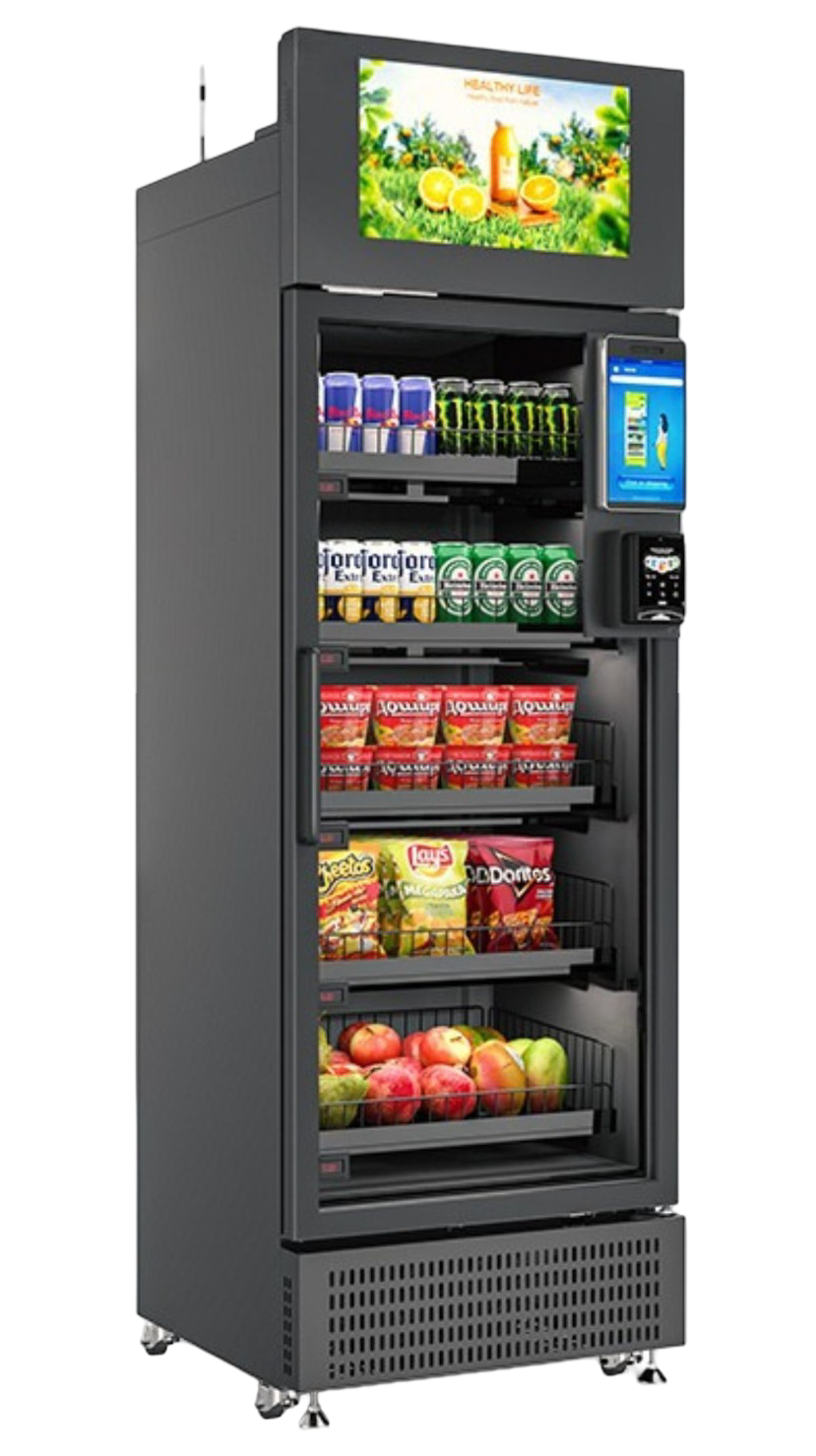
A pantry setup that works perfectly for 20 employees can become a daily headache when the team grows to 100. Empty shelves, rising supply costs, limited product choices, and frequent delivery gaps can quickly expose weaknesses in an office pantry arrangement.
The problem is that these issues often develop gradually, making them easy to overlook until employees start feeling the impact. Growing businesses need corporate pantry solutions UAE that can adapt to changing headcounts, consumption patterns, budgets, and workplace expectations without disrupting daily operations.
Ignoring changes in employee numbers
A pantry that serves fifteen employees may struggle when the team reaches fifty. Managers sometimes keep ordering the same quantities, even as demand rises. Review headcount, shift patterns, and consumption records each month. Adjust order volumes as the workforce grows to keep supplies consistent and spending under control.
Choosing the cheapest supplier
A low quote looks attractive during budget discussions, but hidden charges can quickly erase the savings. Some suppliers add delivery fees, equipment costs, or separate management charges. Others offer limited product choices or inconsistent service. Compare complete price lists and check client references before signing.
Overlooking product preferences
Growing teams usually include people with different tastes, dietary choices, and daily routines. A narrow product list may disappoint employees and leave certain items untouched. Ask staff to share their preferences through short surveys or regular feedback sessions. Review sales records and adjust selections according to actual demand. Suitable choices also reduce unnecessary stock waste.
Failing to monitor stock levels
Poor inventory control leads to two common problems: empty shelves and excessive purchases. Both waste time and money. Ask suppliers to track popular products, monitor expiry dates, and share regular stock reports. Managers should review those records rather than rely on occasional visual checks. Consistent monitoring keeps supplies fresh and prevents last-minute ordering.
Overlooking service reliability
A supplier may promise regular deliveries but struggle when office demand increases. Missed schedules, slow replies, and unresolved complaints quickly frustrate employees. Discuss delivery commitments, emergency restocking, and support contacts before signing an agreement. Track service performance each month and address repeated problems directly. Reliable communication keeps pantry operations predictable during busy periods.
Accepting rigid contract terms
Long agreements can restrict flexibility when teams expand or budgets change. Check renewal dates, cancellation rules, price revisions, and product substitution policies. Ask suppliers to explain every clause in plain language. Flexible terms give managers room to adjust quantities and services without unnecessary penalties.