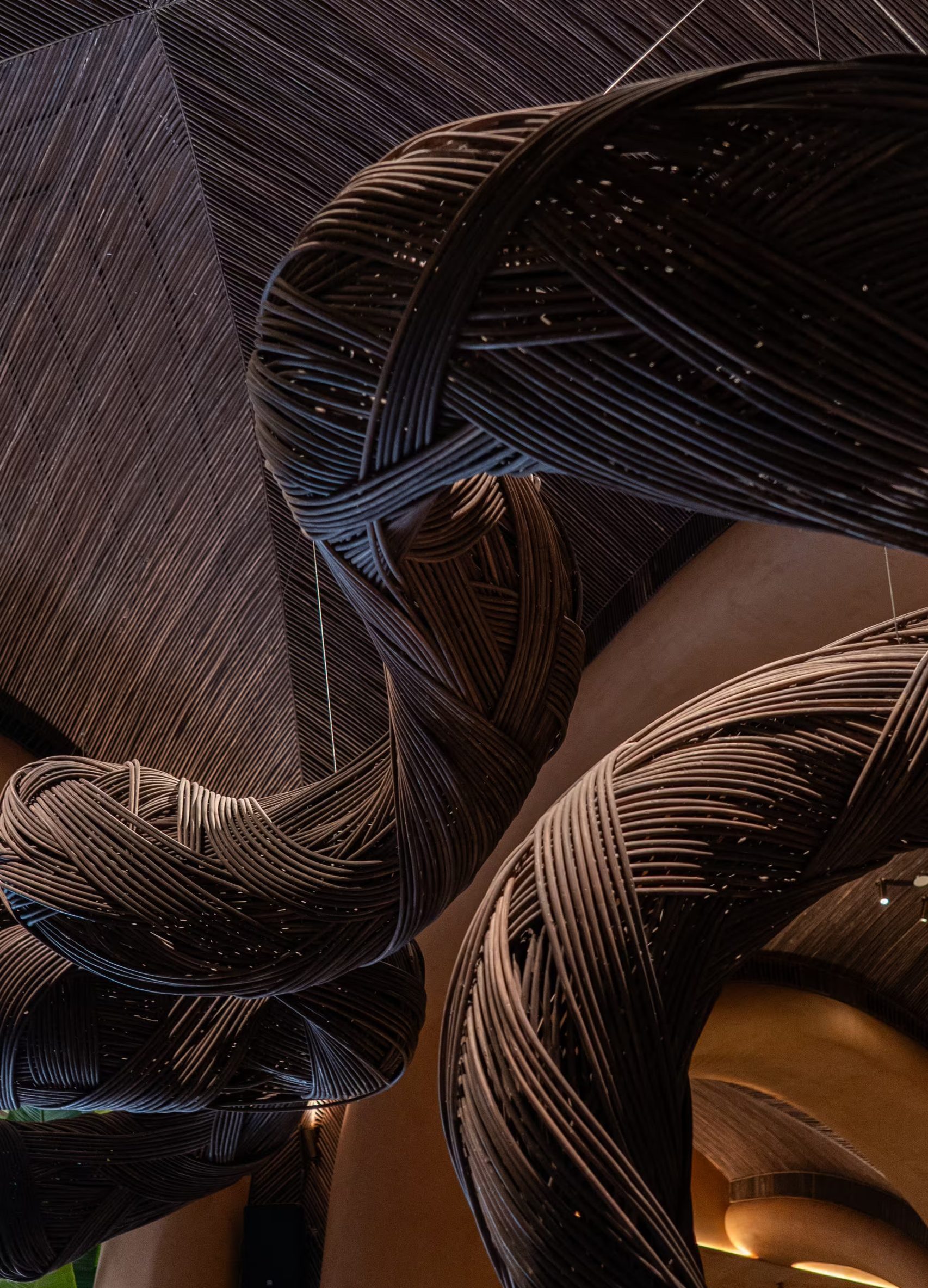
A custom sculpture can vary dramatically in price, and the final budget often depends on details that are easy to overlook early on. Size, materials, design complexity, fabrication methods, surface finishes, structural requirements, transportation, and installation can all influence the overall cost.
A simple concept may have very different requirements from a large-scale public installation. Getting a realistic view of these expenses early on makes planning easier and helps you budget appropriately for a custom sculpture.
Material choices affect the budget
Material selection directly affects sculpture pricing. Fiberglass and GRP suit many indoor and outdoor projects because they offer strength with manageable weight. Bronze, stainless steel, stone, wood, and resin bring different price points based on raw material costs and fabrication methods. Buyers should discuss material options with the sculptor before approving the design.
Size and scale influence pricing
Larger sculptures usually cost more to fabricate because artists use more material, structural support, equipment, and workshop space. A small decorative piece follows a simpler production process, while a large entrance sculpture may involve internal frameworks and lifting equipment. Exact dimensions help the artist prepare a clearer quotation from the beginning.
Artistic detail adds production time
Intricate facial features, textures, patterns, figures, and custom elements take additional studio hours. A simple geometric design may follow a straightforward fabrication process, while a highly detailed sculpture involves modeling, mold preparation, finishing, and repeated surface work. Sharing reference images and design sketches helps artists understand the desired level of detail before they calculate the price.
Finishes influence the final figure
Paint, metallic coatings, polished surfaces, textured finishes, protective layers, and special effects all affect the final budget. Outdoor sculptures may also require coatings that protect surfaces against sunlight, moisture, dust, and temperature changes. Buyers should request finish samples or digital references so the final appearance matches the approved concept.
Installation and delivery matter
The quoted sculpture price may exclude transportation, site preparation, lifting, anchoring, and installation. Large outdoor pieces can involve cranes, specialist crews, foundations, and structural calculations. Indoor installations may involve simpler handling, although access through doors, elevators, or stairways still matters. Asking for a complete cost breakdown prevents unexpected charges later.
A one-off sculpture usually involves concept development, modeling, fabrication, finishing, and quality checks. Artists may charge separately for design revisions, prototypes, molds, or engineering work. A clear agreement should list the approved design, dimensions, materials, finish, production schedule, delivery details, and payment stages.