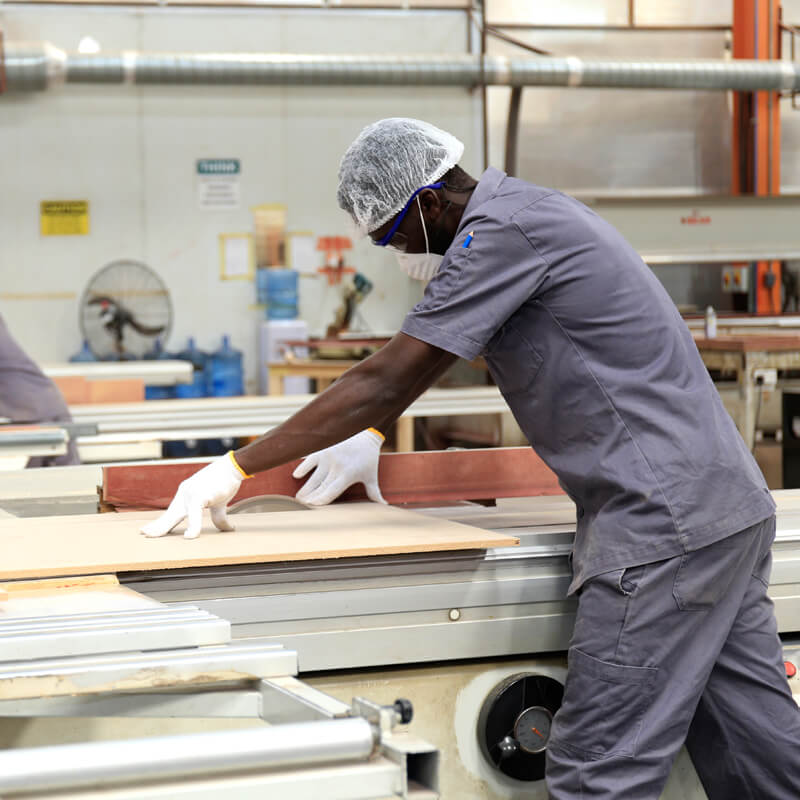
Skilled joiners turn ordinary materials into impressive furniture, elegant interiors, and practical fittings. Their expertise comes from years of practice, patience, and hands-on learning. As the industry adopts new tools and techniques, experienced professionals share their knowledge with young apprentices.
Today, joinery companies in Abu Dhabi invest in practical training to prepare future craftsmen for demanding projects and changing customer expectations.
Learning through hands-on experience
Practical experience forms the foundation of joinery training. Apprentices work alongside experienced craftsmen to learn essential skills, including measuring, cutting, sanding, drilling, and assembling wood. They start with simple tasks before tackling complex projects.
Supervisors demonstrate each technique and explain common mistakes. This direct guidance helps young workers develop confidence, improve their accuracy, and understand the standards that professional joinery work demands.
Developing technical and digital skills
Modern joinery involves advanced machinery and digital design tools. Training programs introduce apprentices to computer aided design (CAD), CNC machines, and automated cutting equipment. Trainees learn to read technical drawings, prepare accurate measurements, and operate machinery safely.
Experienced technicians explain how digital tools support traditional craftsmanship. This combination of practical knowledge and modern technology prepares young joiners for different projects and changing industry practices.
Learning from experienced craftsmen
Experienced joiners share valuable knowledge through daily demonstrations and personal guidance. They teach apprentices how to select suitable timber, identify material defects, and achieve precise finishes. Regular feedback helps trainees’ correct mistakes and improve their techniques.
Senior craftsmen also explain how they handle challenging installations and unexpected problems. Such direct interaction gives young workers practical insights that textbooks alone cannot provide.
Building workplace safety habits
Safety training remains an essential part of every apprenticeship. Young joiners learn to handle sharp tools, operate heavy machinery, and wear suitable protective equipment. Instructors demonstrate safe working procedures and explain the risks associated with dust, noise, and moving equipment.
Regular safety checks reinforce these lessons and encourage responsible behaviour. Good habits protect apprentices and their colleagues while supporting an organised workshop environment.
Encouraging creativity and independent thinking
Joinery training also develops creativity and problem-solving skills. Apprentices experiment with different materials, finishes, and construction techniques under professional supervision. As their experience grows, they take responsibility for smaller projects and make practical decisions.
Trainers encourage questions and welcome fresh ideas. This approach helps young craftsmen develop their own skills while maintaining the quality standards expected by professional clients.